


Getting consistent traffic is one of the biggest challenges for bloggers. Even if you publish high-quality articles, your blog may not attract many readers without the right SEO and content strategy.
If you want to know how to get more visitors to your blog, start by focusing on the people you want to reach. Understanding what your audience searches for can help you create content that answers their questions and provides real value.
Search engine optimization (SEO) can also help improve your blog’s visibility in search results. By using relevant keywords, optimizing your blog posts, improving website performance, and building internal links, you can create a stronger foundation for organic traffic.
In this guide, you’ll discover 10 practical ways to increase blog traffic, improve your search visibility, and attract more relevant visitors to your website.
Table of Contents
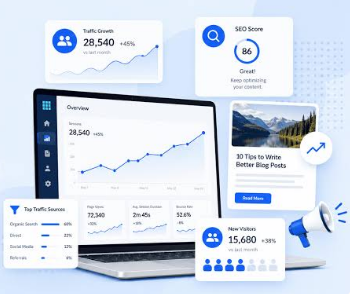
How to Get More Visitors to Your Blog
1.Choose the Right Keywords:
Choosing the right keywords can help your website reach the right audience and attract more relevant visitors. Start by identifying what your target readers are searching for and the questions they want answered.
Choose keywords that are relevant to your topic, have meaningful search demand, and match your website’s content. Then, use your primary keyword naturally in your SEO title, headings, introduction, URL, meta description, and content. Avoid keyword stuffing and focus on creating helpful, easy-to-read content for your audience.
1.How to Find the Right Keywords Using SEO Tools
Finding the right keyword is an important step when you want to increase your blog traffic. SEO tools can help you discover keyword ideas, understand search demand, evaluate competition, and choose terms that match your audience’s search intent.
Here are six useful tools you can use for keyword research:
1. Rank Math
Rank Math can help you optimize your content around a focus keyword and check how well your post is optimized for SEO.
2. Google Keyword Planner
Google Keyword Planner provides keyword ideas and search-volume information that can help you discover terms related to your topic.
3. Semrush
Semrush offers keyword research features that can help you analyze search volume, keyword difficulty, related keywords, and competitors.
4. Ahrefs
Ahrefs provides keyword research and SEO analysis tools that can help you find keyword opportunities and understand the competition.
5. Ubersuggest
Ubersuggest can generate keyword ideas and provide useful information about search volume, SEO difficulty, and related search terms.
6. Google Trends
Google Trends helps you compare search interest over time and identify topics or keywords that are gaining or losing popularity.
2.Example: Finding a Keyword for a Blog Traffic Article
Suppose your topic is “How to Get More Visitors to Your Blog.” Start by entering related terms into these tools, such as:
- how to get more visitors to your blog
- how to increase blog traffic
- how to get more traffic to a blog
- ways to increase blog visitors
Compare the results and consider search demand, competition, relevance, and search intent. You could then select “how to get more visitors to your blog” as your primary keyword and use the other relevant phrases naturally throughout your article.
Using several SEO tools together can give you a broader view of keyword opportunities and help you make a more informed content decision.
2.Create High-Quality, Helpful Content
High-quality content gives visitors a clear reason to read, learn, and continue exploring your website. Start by addressing a specific need or question with accurate and practical information. Use a logical structure, short paragraphs, descriptive headings, and relevant examples to make the content easy to follow. Adding actionable tips can also encourage readers to apply what they learn. When visitors consistently find your content valuable and easy to use, they are more likely to engage with your website and return for future information.
3.Optimize Your Blog Post For SEO
On-page SEO involves several elements that shape how your pages are presented, structured, and connected. Instead of treating each element separately, review them together when preparing a blog post:
- Titles: Write a specific title that clearly communicates the main subject and incorporates your primary keyword naturally.
- Headings: Use H2 and H3 headings to divide the article into logical sections and create a clear content hierarchy.
- Meta descriptions: Summarize the page in a concise and engaging way to give searchers a clear reason to visit.
- URLs: Choose short, readable URLs that indicate what the page covers.
- Images: Select relevant visuals and provide descriptive alt text when it helps explain the image.
- Internal links: Connect related pages to create useful pathways between your articles and help visitors discover additional information.
Managing all these details can take time, especially when publishing regularly.
Rank Math brings many on-page SEO controls directly into WordPress, allowing you to review and optimize important elements while editing your content. This can make your SEO workflow more convenient and help you keep important optimization tasks organized before publishing.ndation.
4.Improve Your Website Speed
A fast, easy-to-use website helps visitors access your content quickly and navigate your blog with less frustration. Slow-loading pages or a difficult-to-use design can discourage visitors from exploring your content.
To improve your blog’s performance, optimize images, reduce unnecessary plugins and scripts, use caching, and choose reliable web hosting. Make sure your pages are also responsive, readable, and easy to navigate on mobile devices.
Rank Math can support your broader SEO workflow by helping you manage important optimization tasks within WordPress. By combining useful content, strong SEO practices, fast performance, and a user-friendly design, you can create a better experience for visitors and build a stronger foundation for attracting and retaining readers.
5.Make Your Blog Mobile-Friendly
If you want to learn how to get more visitors to your blog, making your website mobile-friendly is an important step. Many people browse websites from smartphones and tablets, so your blog should provide a smooth experience on every screen size.
Optimize images, keep text easy to read, and make buttons and menus simple to use. Avoid intrusive pop-ups and test your pages on different mobile devices to ensure everything works properly.
A fast, easy-to-navigate blog gives visitors a better experience and encourages them to explore more of your content. This can support your overall SEO strategy and help you get more visitors to your blog.
6.Use Internal Linking
If you want to learn how to get more visitors to your blog, adding relevant internal links can help visitors discover more useful content on your website. Use clear, descriptive anchor text that tells readers what they will find after clicking, such as “learn how to choose the right keywords,” “SEO tips for beginners,” or “how to create useful blog content,” instead of generic phrases like “click here.” Place links naturally within relevant paragraphs when introducing related topics, and avoid adding too many links in one section. A well-planned internal linking strategy makes navigation easier, encourages visitors to explore more pages, and supports your overall SEO strategy.
7. Promote Your Blog on Social Media
Social media can help you get more visitors to your blog by giving you additional channels to share and distribute your content. After publishing an article, share it on platforms such as Facebook, LinkedIn, X, Pinterest, or Instagram, depending on where your audience is active. Create a short, engaging post that highlights the main benefit of your article and includes a direct link to the full post. You can also reuse useful tips, quotes, or visuals from your articles to create new social posts and keep promoting your content over time. Consistent social media promotion can increase your content’s visibility and bring more potential readers to your blog.
8.Build Quality Backlinks
Backlinks are links from other websites that point to your blog, and they can help search engines discover and evaluate your content. If you want to understand how to get more visitors to your blog, earning relevant backlinks can be part of a long-term SEO strategy. The most natural way to earn backlinks is to create useful, original, and trustworthy content that other website owners find valuable enough to reference. You can also attract links by publishing detailed guides, original research, helpful resources, statistics, or practical tutorials. Focus on earning links from relevant and reputable websites rather than trying to build a large number of low-quality links.
9.Update Old Blog Posts
Updating older blog posts can help keep your content accurate, useful, and relevant to readers. If you want to learn how to get more visitors to your blog, review your existing articles regularly and update outdated information, statistics, links, screenshots, and examples. You can also improve headings, add missing details, and remove information that is no longer relevant. Refreshing valuable content can make your articles more useful to readers and give them a better chance of maintaining or improving their visibility in search results over time.
10.Track Your Blog Traffic
To understand how to get more visitors to your blog, it is important to monitor your traffic and see which content performs best. Google Analytics can help you analyze visitors, traffic sources, engagement, and popular pages, while Google Search Console provides useful information about search performance, keywords, clicks, impressions, and indexing. Reviewing this data regularly can help you identify what is working, improve underperforming content, and make better decisions about your future SEO and content strategy.
11.Common Mistakes That Can Reduce Blog Traffic
To maintain steady blog traffic and growth, avoid these common mistakes across content, technical performance, and strategy:
Content Quality & Optimization
- Keyword stuffing: Overusing target keywords, making text unreadable and unnatural.
- Low-quality/thin content: Publishing short, vague, or outdated articles with little value or originality.
- Weak titles: Using vague or unappealing headlines that fail to accurately capture the article’s value.
User Experience & Technical Issues
- Ignoring mobile users: Designing pages that are difficult to read or navigate on smartphones and tablets.
- Slow loading speed: Frustrating visitors with poor website loading performance.
- Broken links: Leaving dead or broken links that disrupt site navigation.
Strategy & Consistency
- Inconsistent publishing: Failing to maintain a reliable posting schedule to keep readers engaged.
- Lack of promotion: Relying solely on organic discovery without actively sharing or promoting published posts.
12.Final Tips to Get More Visitors to Your Blog
Getting more visitors to your blog requires a consistent approach. Focus on creating useful content, targeting relevant keywords, optimizing your pages, building internal links, promoting your articles, and providing a smooth mobile experience. Start by choosing one important topic for your audience, research the keywords people use, and create one helpful article around that topic. Then optimize and promote it before moving on to the next article.


[…] want to write about getting more blog traffic, keyword research can reveal related searches such as how to get more visitors to your blog, blog SEO tips, or how to increase blog traffic. You can then choose keywords that closely match […]